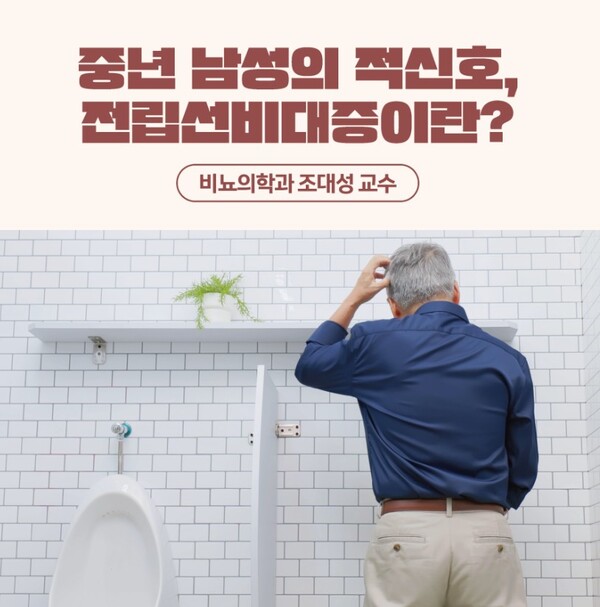
What is benign prostatic hyperplasia?

For men, the prostate is more than just an organ. The moment discomfort begins, anxiety and pressure rise above the physical symptoms. When urination is difficult or pain persists, the first question that comes to mind is, "Could there be a bigger problem?" Join us as we explore prostate enlargement, a condition that many men experience but don't talk about.

What is BPH?
The prostate is a walnut-sized reproductive organ found only in men, located below the bladder and wrapped around the urethra. It makes and stores some of your semen, and plays an important role in controlling urine leakage. 

However, as the prostate enlarges due to aging, it can put pressure on the bladder and urethra, which can lead to difficulty urinating or impaired bladder and kidney function. This is known as an enlarged prostate. 

Call your doctor if you have any of these symptoms
- Thin, weak streams of urine (urgency) - Takes a while to start urinating (delayed urination) - Breaks in the middle of urinating (interrupted urination) - Frequent need to go to the bathroom at night (nocturia) - Sudden, strong urge to urinate (urgency) - Underwear often gets wet after urinating - Feeling like your bladder isn't completely empty after urination

Treatment and management are both important.
Causes of BPH include hormonal changes due to aging, obesity, lack of exercise, and lifestyle factors such as alcohol and tobacco use. In the early stages, lifestyle modifications may be sufficient, and in more severe cases, medication is used.

- Alpha blockers - 5α-reductase inhibitors - Anticholinergics

However, they can have side effects such as low blood pressure and decreased libido, so you should consult with your healthcare provider to develop a treatment plan. If you have symptoms that do not improve with medication, or if you have bladder stones, surgical treatment may be necessary.

Lifestyle habits that protect prostate health
- Urinate regularly without holding your urine for long
- Drink plenty of fluids during the day (1.5 to 2 liters) during the day
- Drink water 2-3 hours before bedtime
- Reduce caffeine, alcohol, and high-sodium diets Weight and exercise
- Maintain a healthy weight
- Do aerobic exercise (brisk walking, biking, swimming)
- Do strength training (squats, core exercises)
- Do Kegel exercises to strengthen pelvic muscles Manage stress
- Chronic stress worsens prostate health
- Meditate, yoga, and deep breathing to relax
- Have a consistent bedtime and get a good night's sleep Manage your diet
- Antioxidant foods such as tomatoes, broccoli, and spinach
- Omega-3 fish such as salmon and mackerel
- Whole grains such as brown rice and oats
- Nuts such as walnuts, almonds, and pumpkin seeds
- Healthy fats such as olive oil and avocados

Prostate cancer is a condition that can affect anyone. However, with early diagnosis and good management, you can significantly improve your quality of life. Take these steps to ensure healthy urination and a comfortable routine. 

 <아주대학교병원 기사 제공>

Copyright © Christian Journal All rights reserved.

Source: The Christian Journal (https://www.kcjlogos.org)

View article now

Share the Post:

Join Our Newsletter